Matcha with Cold or Hot Water: Does “Cold Whisking” Really Make That Much of a Difference?
For the past few months, a small friendly war has been playing out on Instagram and TikTok over matcha: whisking it directly into cold water instead of hot water as tradition calls for, a practice social media has dubbed cold whisking. Some swear the result is smoother, creamier, almost better. Others see it as nothing more than a trend that betrays matcha's true flavor. Here's what water temperature really changes, when it comes to taste, texture, and benefits, without taking sides.
Matcha with cold water or hot water, what are we talking about
The traditional method uses hot water: a temperature of around 70-80°C (158-176°F), poured directly onto the powder and whisked immediately with a chasen (what social media calls hot whisking). The more recent method, popularized online under the name cold whisking, involves whisking matcha directly into cold or room-temperature water, skipping the hot water step entirely. There's also a hybrid version, often recommended for a lump-free iced matcha: first dissolve the powder in a little warm water, then top it up with cold water or ice cubes. In this article, we're talking about true cold-whisked matcha, the kind that starts with cold water from the very beginning, the version most debated online.
Taste, the clearest difference
This is where temperature makes the biggest impact. Hot water helps release aromas and amino acids like theanine more quickly, which gives a rounder matcha, with more body and a more pronounced umami. Too hot, on the other hand, above 90°C (194°F), it has the opposite effect and amplifies bitterness, something that's already true for any matcha preparation method. Cold water, meanwhile, dissolves the compounds responsible for bitterness and astringency more slowly, giving a result perceived as smoother and rounder on the palate. The flip side is that the more delicate notes, umami included, come through less, and the result can taste slightly more diluted than a hot-whisked matcha.
Froth and texture, hot water still has the edge
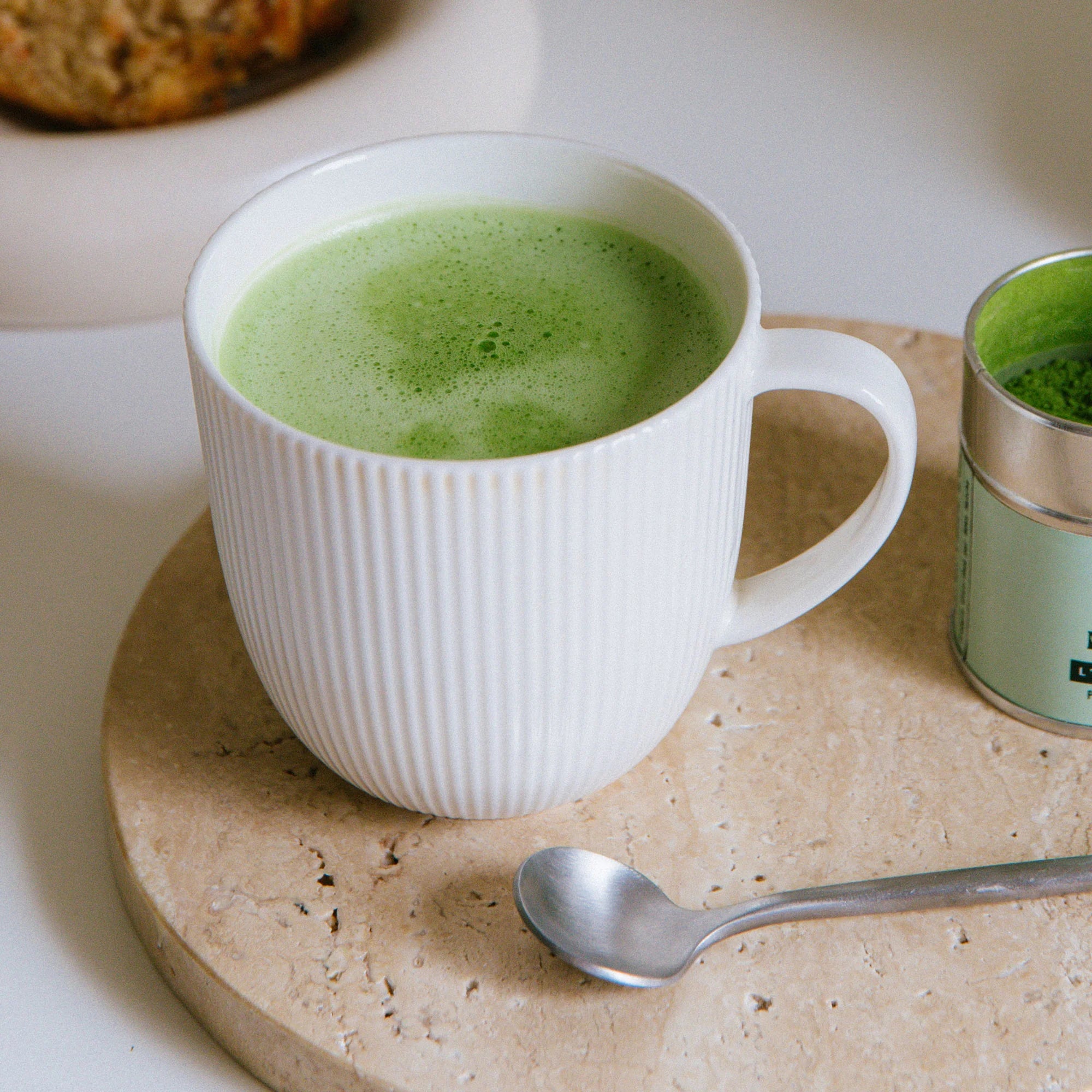
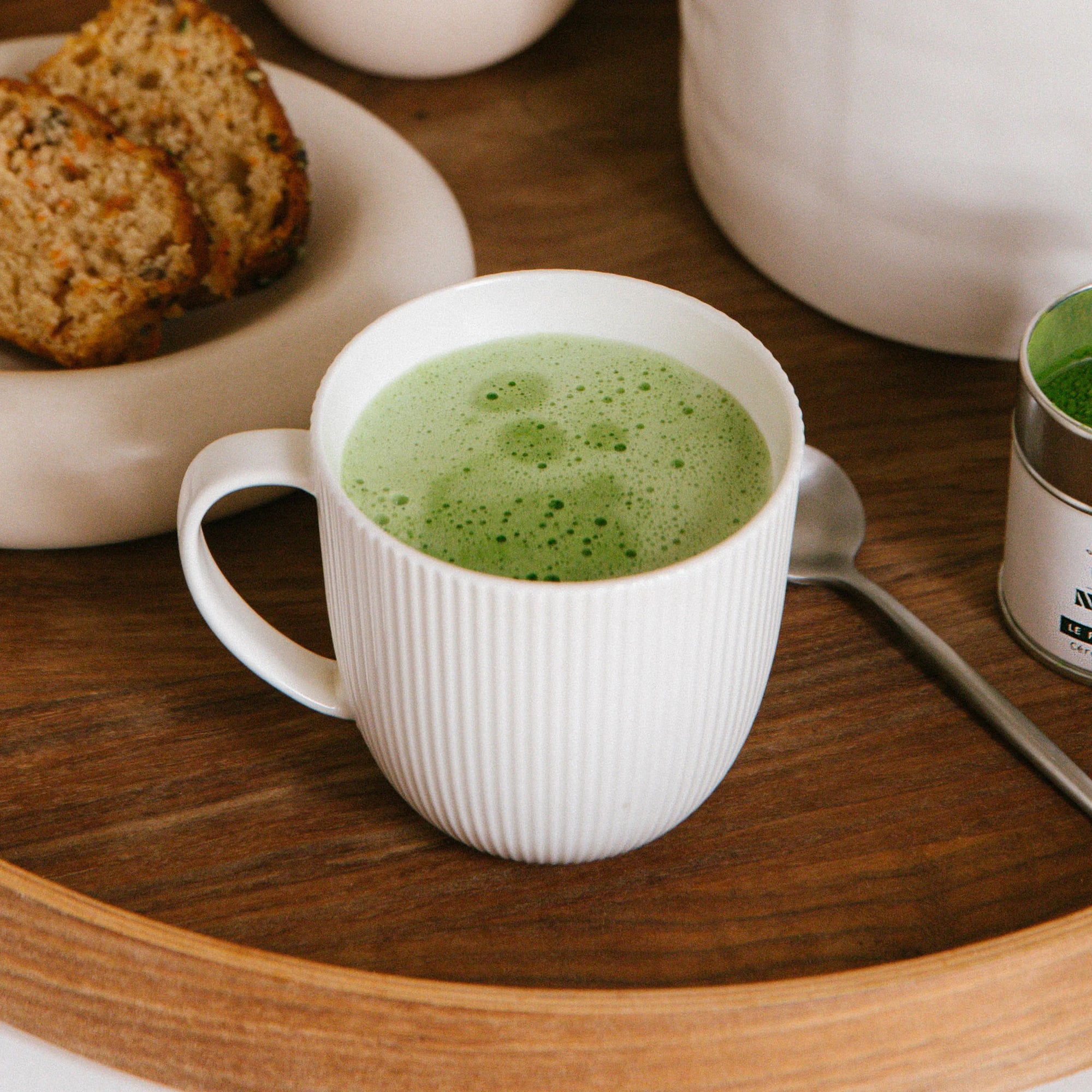
The fine, velvety froth that tops a well-prepared bowl of matcha largely depends on heat: aromatic compounds and amino acids mobilize more easily when warm, forming the small, stable bubbles that give that almost cloud-like texture. When cold, the froth you get is generally lighter, less dense, and settles faster. Dissolving the powder itself also takes a bit more effort: a traditional chasen, designed for hot water, sometimes struggles to fully dissolve the powder when cold, whereas a small electric whisk or a milk frother generally does it faster and more cleanly. It's actually a good quality test: a truly well-ground matcha dissolves without lumps even in cold water, while a coarser powder resists more, regardless of water temperature.
And what about the benefits
This is the question everyone asks, and the answer often comes as a surprise. Unlike a loose-leaf brewed tea, where you only consume what the water managed to extract before the leaf is discarded, matcha is a powder made from the whole leaf that you drink in its entirety. Whether this powder dissolves faster or slower in cold or hot water doesn't change the amount of catechins, theanine or caffeine you end up ingesting, since you swallow the whole powder, dissolved or not, either way. What temperature changes is how quickly these compounds move into solution before the first sip, which affects perceived taste, not what you actually end up ingesting. Matcha's benefits therefore depend mainly on the quality and amount of powder used, not on the choice between cold and hot water. The one real rule to follow either way: avoid boiling water, which damages the taste without adding any extra benefit.
A point few comparisons mention
Cold whisking has a side effect that's rarely talked about: it's less forgiving of the small flaws in an average matcha. Hot water tends to round out slightly dull or faintly stale notes, whereas cold water lets them come through more, with no heat to mask them. This is a point that comes up repeatedly among several specialty brands and in plenty of feedback from regular drinkers, even if opinions still differ on exactly how pronounced the effect is. Either way, it's a good reason to start with a genuinely fine, fresh matcha if you want to try cold preparation, rather than the first bag you opened several months ago.
In summary
Cold-water matcha is neither a myth nor a revolution: it's simply another way to prepare the same matcha, with a smoother result on the palate and a lighter froth, without changing the benefits you actually ingest, since you drink the whole powder either way. Hot water remains the best option for a round, umami-forward matcha with a dense, stable froth, in the spirit of a true traditional preparation. Cold water suits a quicker or more refreshing moment better, provided you start with a matcha fine enough to dissolve properly when cold. All our preparation methods are detailed step by step if you want to try several formats. The real choice, then, isn't about temperature, but about the quality of the powder you use.
Have a question about preparing your matcha? Feel free to reach out, we'd be happy to help.