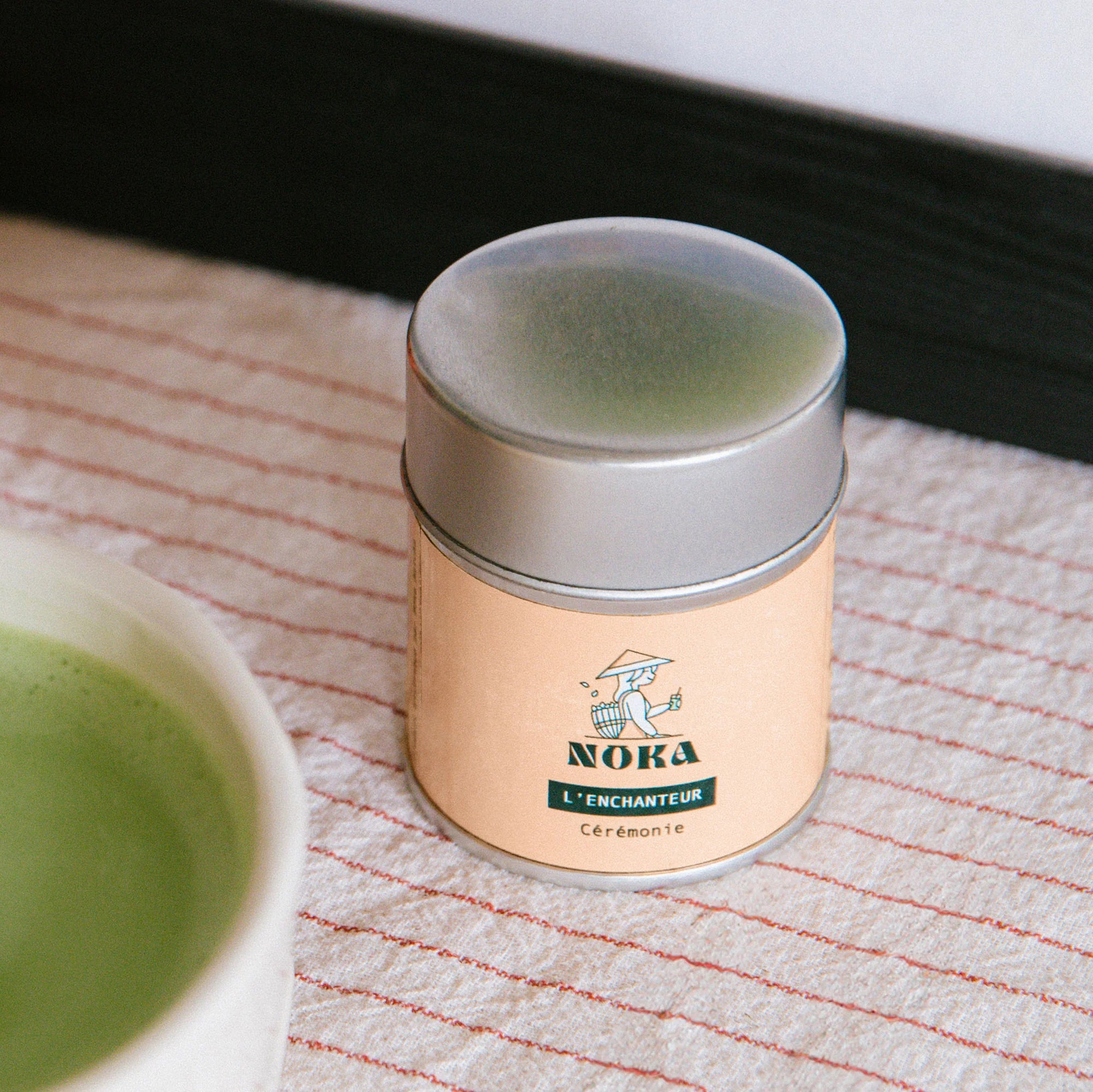
Anti-inflammatory foods: Matcha takes the lead
Anti-inflammatory eating often comes back as long lists of foods to tick off, with no real hierarchy. We wanted to do it differently here: start with matcha, which we know well, then broaden out to four other foods with solid track records, rather than lumping everything together without distinction.
Chronic inflammation, what are we actually talking about
Inflammation isn't a problem in itself: it's a natural, useful response from the body, for example in response to an injury or infection, which stops on its own once the job is done. What concerns researchers more is chronic inflammation, more subtle, which persists quietly over the long term with no obvious symptom, often fueled by diet, a sedentary lifestyle, or stress. It's this kind of inflammation that anti-inflammatory eating aims to act on, not acute, temporary inflammation.
The benefits of this approach, and who it's for
Eating in an anti-inflammatory way mainly means favoring foods rich in antioxidants and good fatty acids, and limiting those that promote low-grade inflammation (refined sugars, ultra-processed foods, excess saturated fat). The benefits most often associated with this approach relate to digestive comfort, everyday energy, and a generally more favorable state over the long term.
Digestive comfort in particular is worth pausing on, since bloating comes up so often in discussions about diet. An imbalanced gut microbiome can sustain local inflammation in the intestine, which in turn promotes bloating and digestive discomfort. Bloating has plenty of other possible causes (intolerances, stress, transit issues), but supporting a healthy microbiome through a diet rich in fiber and antioxidants is one of the levers that can help, without being a miracle solution on its own.
This way of eating is suited to anyone who wants to adopt a more protective diet day to day, without necessarily having a specific health issue. One important clarification nonetheless: it's neither a weight-loss diet nor a medical treatment. If you live with a diagnosed inflammatory condition (arthritis, an autoimmune disease, or otherwise), this way of eating can complement your daily routine, but it never replaces medical follow-up, which should be discussed with your doctor.
Matcha, at the top of the list
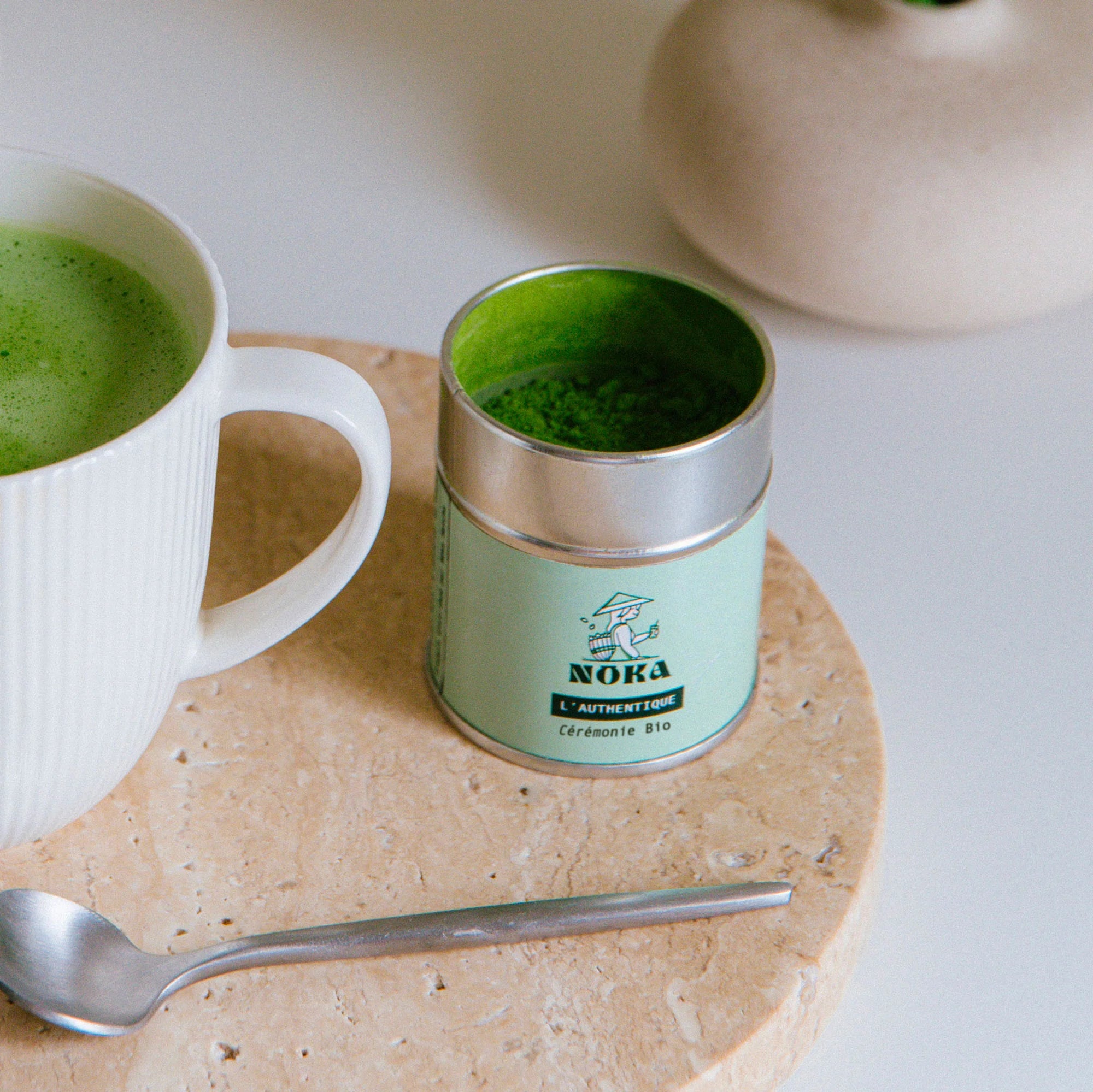
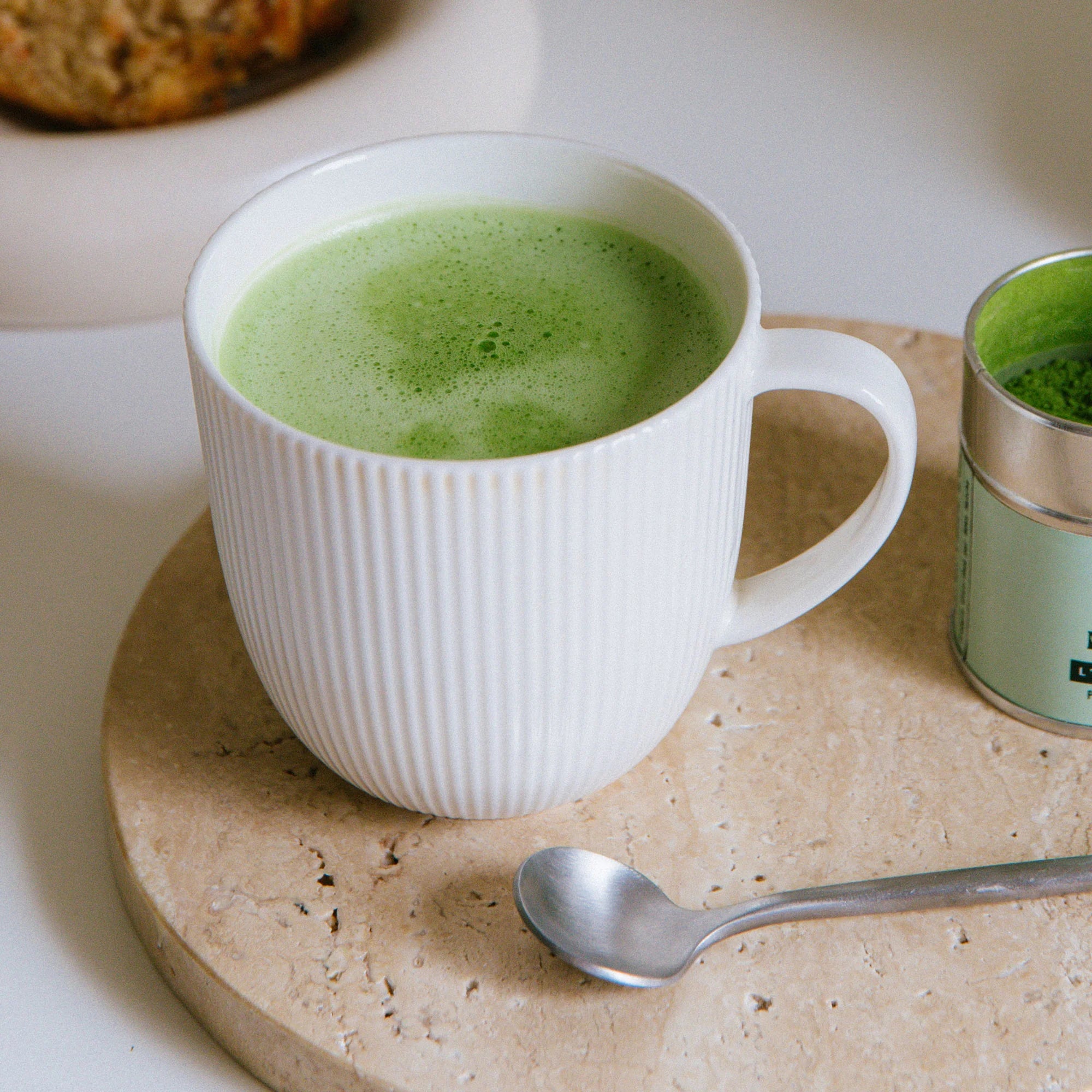
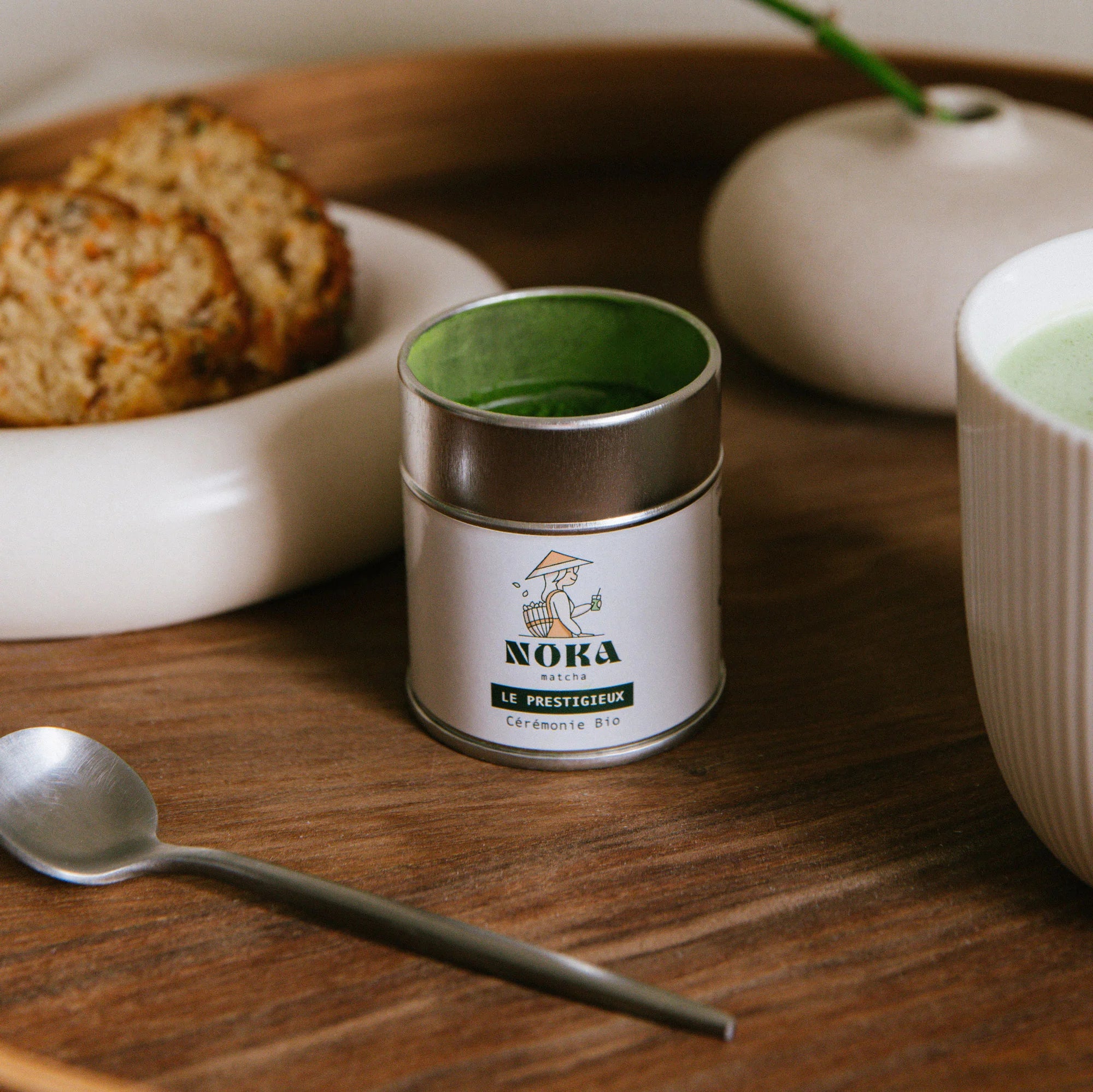
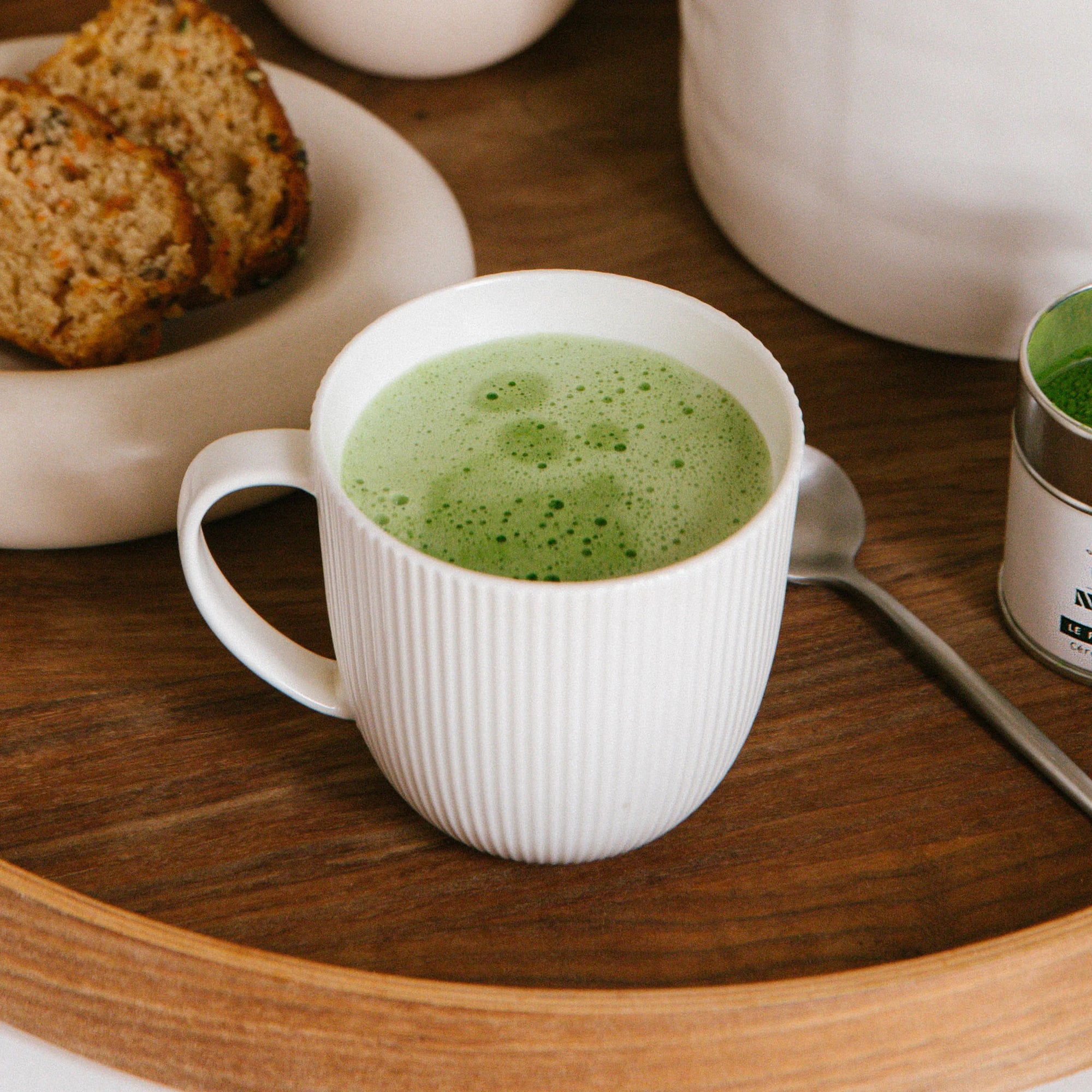
Matcha owes its prime spot to its richness in catechins, a family of antioxidants particularly concentrated in leaves shaded before harvest, of which EGCG (epigallocatechin gallate) is the most studied. Several research studies look at its potential role in regulating low-grade inflammation, on top of its already well-documented antioxidant activity. Since matcha is consumed as powder, whole leaf included, you absorb a noticeably higher concentration of catechins than with a classic brewed green tea. We cover all of its effects on the body in our dedicated article.
Turmeric, the most studied root
Turmeric owes its reputation to curcumin, its active compound most studied for its anti-inflammatory properties. Its main weakness is fairly limited absorption by the body when consumed on its own. That's why it's traditionally paired with black pepper, whose piperine markedly improves this absorption, and with a fat, since curcumin dissolves better in fat than in water.
Fatty fish, for their omega-3s
Salmon, mackerel, and sardines are among the richest sources of long-chain omega-3 fatty acids (EPA and DHA), which play a part in the body's natural regulation of inflammation. Two to three servings a week are generally enough to reap the benefits, with no need to eat them every day.
Berries, for their antioxidants
Blueberries, raspberries, and blackberries owe their color, and much of their benefits, to anthocyanins, antioxidant pigments that help limit oxidative stress, a mechanism closely tied to chronic inflammation. Easy to add to breakfast or a snack, they're also among the lowest-sugar fruits.
Extra virgin olive oil, best kept raw
Extra virgin olive oil contains oleocanthal, a compound whose action on certain inflammation markers has been compared, in its mechanism, to that of some mild anti-inflammatory drugs, in far smaller amounts of course. To get the most out of it, it's best consumed raw, as a dressing, rather than cooked at high heat, which breaks down some of its heat-sensitive compounds.
In summary
Anti-inflammatory eating doesn't rest on an endless list of foods to tick off, but on a few simple, consistent choices. Matcha, thanks to its catechins, turmeric paired with black pepper, fatty fish rich in omega-3s, berries for their antioxidants, and raw extra virgin olive oil already form a solid foundation, best worked in gradually rather than all at once.
Have a question about matcha and its benefits? Feel free to contact us, we'll be happy to answer.