Single cultivar or blended matcha: Which one is really the best?
Single cultivar, blend, assemblage: these words are showing up more and more on matcha packaging, often carrying an implicit promise — that single cultivar is superior to blend. In our previous article on matcha cultivars and origins, we already untangled Uji, Yabukita, Okumidori, and Saemidori. Today we're going further: what is a single cultivar, what is a blend, and above all, which one is actually the better choice?
Our answer, plainly: neither one, as a matter of principle. What matters is the quality of the matcha, not the label.
Single cultivar, one variety from start to finish
A single cultivar matcha is made from a single tea plant variety (one cultivar, such as Yabukita, Okumidori, or Saemidori), with no blending of other varieties. The principle is similar to a single grape variety in winemaking: the producer lets the characteristics specific to that particular variety come through (color, umami, astringency, aroma), without smoothing them out through blending.
Worth noting: "single cultivar" is a descriptive, marketing term, widely used by Western matcha brands, but it doesn't correspond to an official Japanese category or standard. It's useful information, but it isn't governed by any strict rules, unlike labels such as "organic," for example.
Blending, a practice as old as it is respected
A blend matcha (or assemblage) combines leaves from several cultivars, several plots, or even several harvests. Far from being a shortcut or a way to mask a flaw, blending is a historic and demanding craft in the world of Japanese tea.
In Uji, this practice even has a name: gogumi, a traditional step that involves gathering and blending tea leaves from different areas, harvested at different times. According to Kyoto prefecture, gogumi is recognized as part of the cultural heritage of Uji's tea landscape, on the same footing as growing or processing methods. So it's not some recent marketing trick: it's a craft in its own right, just like blending in Champagne or whisky.
The goal of a blend isn't to hide mediocre raw material, but to achieve a balanced, consistent flavor profile from one harvest to the next. The same cultivar, on the same plot, can vary noticeably depending on that year's weather: blending helps offset these variations to deliver a consistent experience.
Why a single cultivar isn't automatically better
This is the first idea to correct: a single cultivar is neither purer, nor more authentic, nor inherently superior to a blend. Both require real skill, at different stages. Getting a single cultivar right requires flawless raw material, since no other cultivar can compensate for a flaw. Getting a blend right requires, on top of good raw material, mastery of the blending process itself: adjusting proportions, year after year, to achieve a consistent result.
The comparison with wine or whisky is useful here. A single malt whisky isn't automatically better than a blend: some blends rank among the most sought-after references in their category, precisely because of the master blender's skill. Matcha follows the same logic.
A good blend always beats a poor-quality single cultivar
This is the point that really matters, beyond the single cultivar versus blend debate: the quality of the raw material and the producer's skill always outweigh the label. A poorly grown single cultivar, harvested too late or poorly ground, will produce a mediocre matcha, no matter how prestigious the words "single cultivar" look on the package. Conversely, a well-designed blend, with cultivars thoughtfully chosen to complement each other, can produce a more accomplished result than many single cultivars.
In practice, here's what should actually guide your choice, even before looking at single cultivar or blend:
- Are the origin and cultivar(s) specified? A transparent brand states them, whether it's a single cultivar or a blend.
- Does the harvest grade match the intended use? A ceremonial-grade matcha (first harvest) shouldn't be judged the same way as a culinary matcha.
- Are lab analyses available? That's a sign of seriousness that matters far more than the number of cultivars used.
- Do you simply like the taste? A single cultivar with too sharp a profile won't necessarily be more enjoyable to drink every day than a balanced blend.
And what about Noka's matchas — single cultivar or blend?
At Noka, both approaches coexist within our range, and that's no accident: each matcha is designed for a specific flavor profile, not to check the single cultivar or blend box.
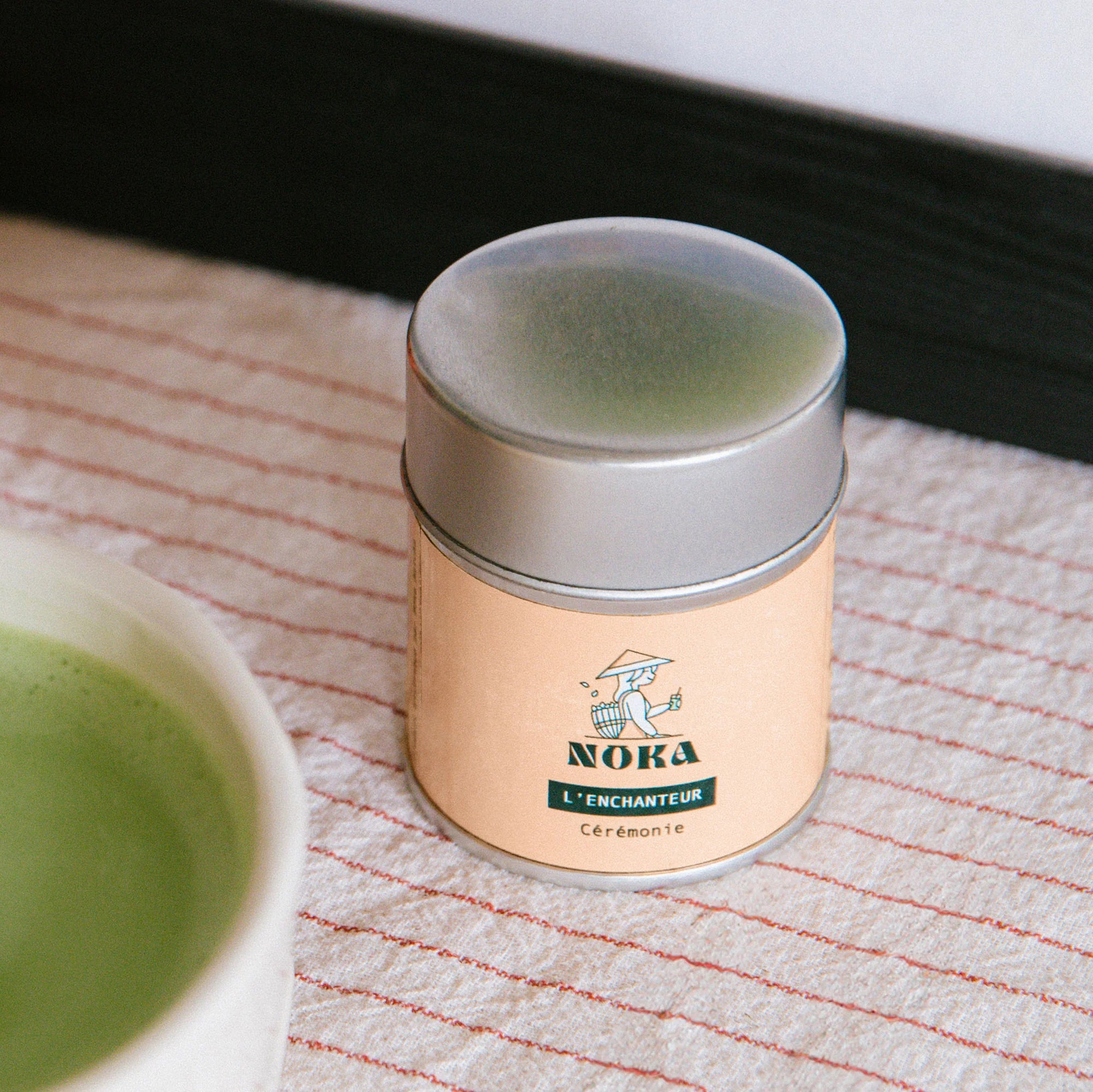
- L'Enchanteur and Le Pâtissier are single cultivars, 100% Yabukita, for a boldly grassy profile and raw material that needs no adjustment at all.
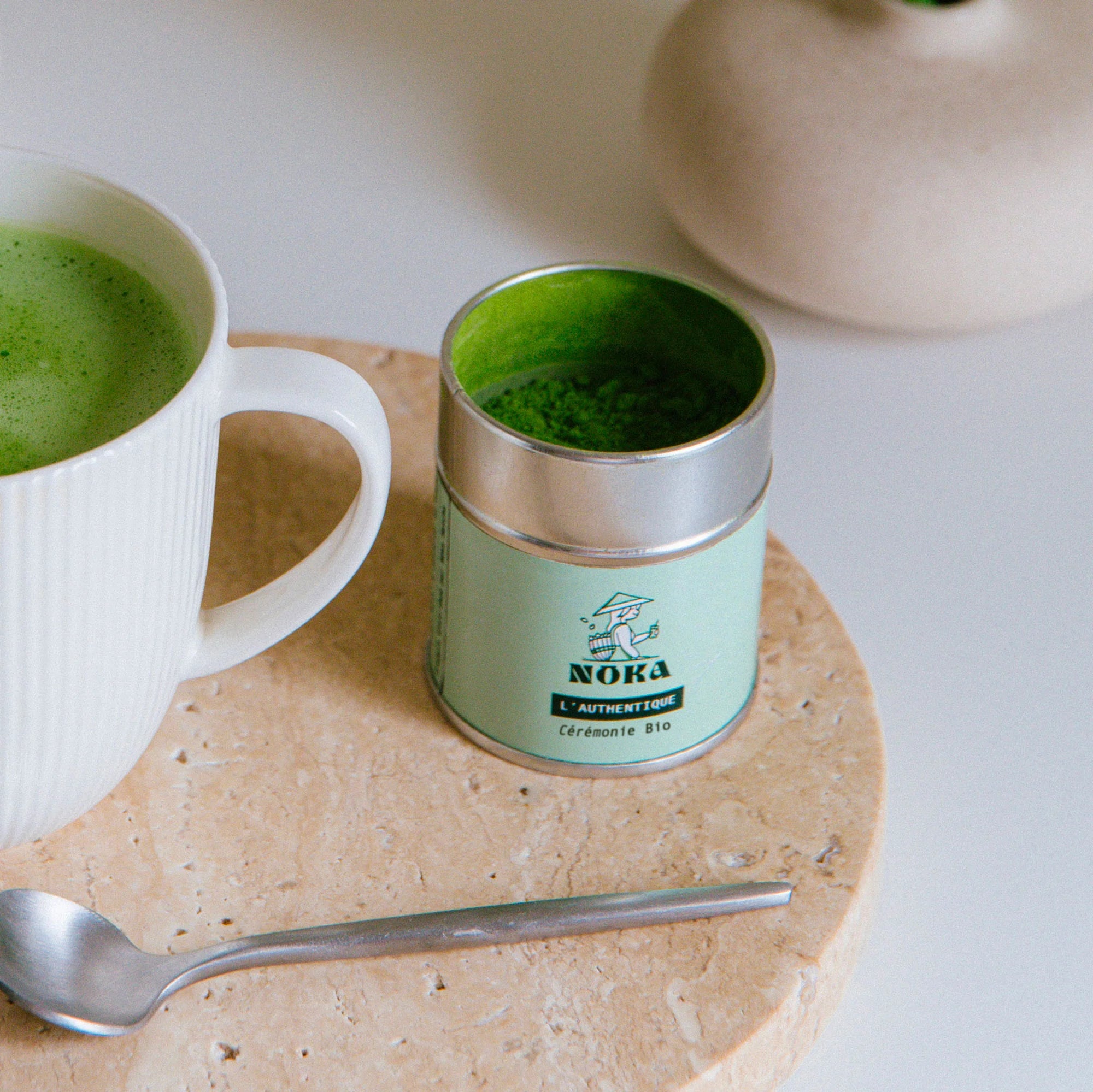
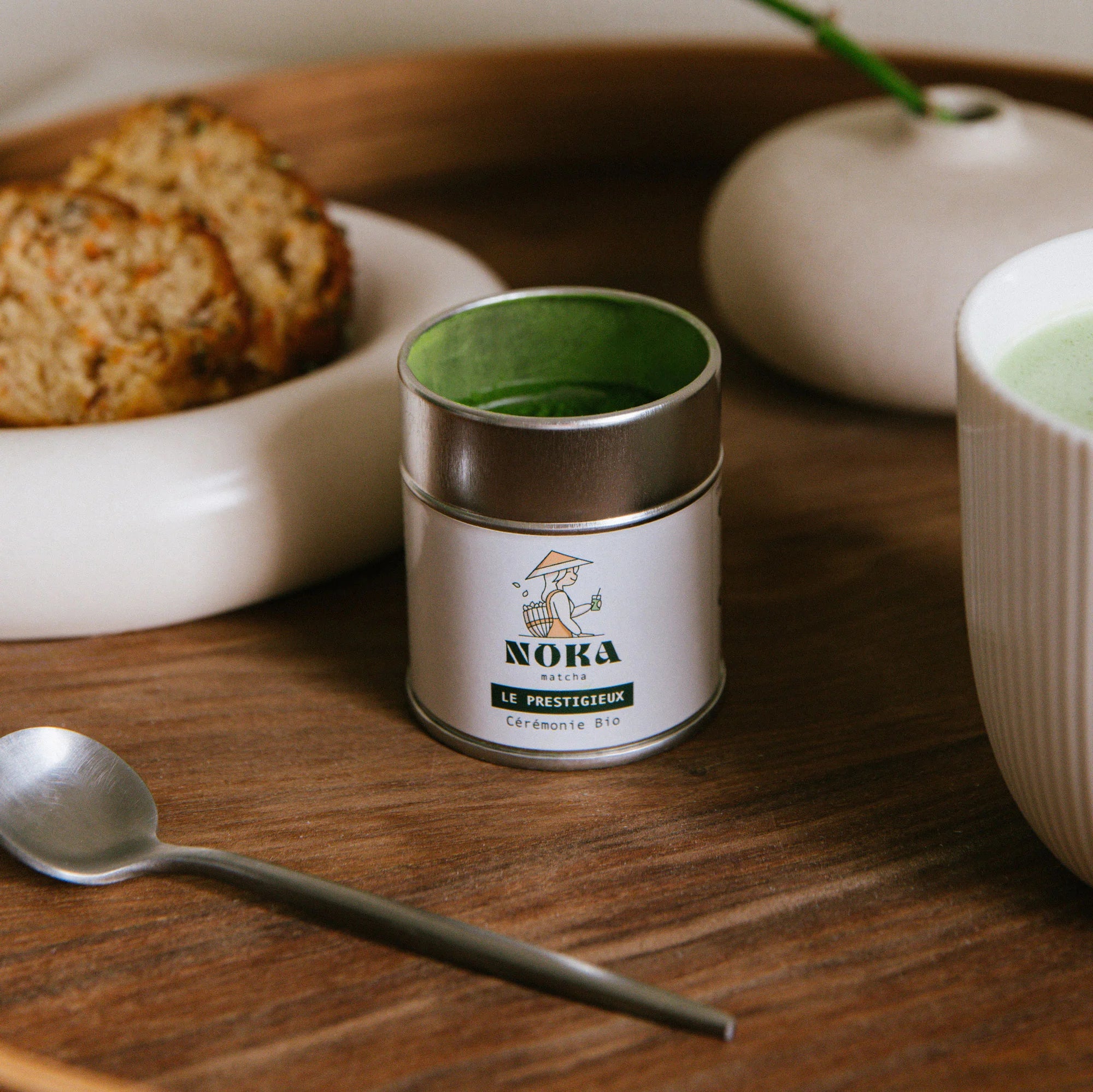
- Le Prestigieux (Okumidori and Saemidori) and L'Authentique (Okumidori and Yabukita) are blends, designed for a balance between umami and sweetness.
Neither approach is presented as superior to the other in our range: the choice simply depends on the flavor profile you're after.
FAQ
In summary
Single cultivar and blend aren't competitors, and neither ranks above the other: they're two different ways of making matcha, each with its own demands. Single cultivar puts a single variety front and center, with no safety net. Blending, through an age-old craft like gogumi in Uji, aims for a consistent balance from one harvest to the next. A good blend always beats a poor-quality single cultivar, and vice versa: it's the quality of the raw material and the producer's skill that make the difference, not the label.
Any questions about the composition of one of our matchas? Contact us, we'll be happy to answer.